
An Introduction to Ultra-Processed Food Reduction Methods and Tools
If you’ve ever tried to stop eating certain foods and found you couldn’t, even when you wanted to, you’re not alone. Ultra-processed foods (UPFs), which are made mostly from refined flour, sugar, and industrial fats, are engineered to be irresistible. They hijack our brain chemistry, reduce fullness signals, and cause inflammation. They are also everywhere.
According to a 2022 meta-analysis of 272 studies by Praxedes and colleagues, about 14% of all adults struggle with UPFs. If you are one of those people who start a diet, end up with uncomfortable cravings, and land back in sweet or salty foods, there are things that help prevent it from happening again.
There are dietary, medical, pharmacological, behavioral, self-care and mind-set tools that can be tailored over time to help you reduce cravings, calm inflammation, lose weight and work towards restoring your health. Though there are many options, consider this an introduction to some of the tools, and know that you may need to use more than one tool at the same time. As always, talk with your doctor before beginning any weight loss plan.
Abstinence
For some, completely removing ultra-processed foods, especially sugar and refined flour, is the most reliable way to silence cravings. Sixty to seventy percent report reduced cravings when abstinence is combined with accountability and peer support. Structured programs such as Bright Line Eating or Food Addicts Anonymous offer education, connection, and consistency.
Harm Reduction
Others succeed by gradually reducing UPFs, for example replacing sweetened yogurt with plain Greek yogurt and fruit or choosing vegetables and dip over chips. This approach reduces inflammation and can lessen cravings by as much as 50%. If eliminating sugar forever sounds extreme, or punitive instead of freeing, this may be an option for you.
While it is not for everyone, recovery thrives on connection. Whether through group coaching, local meet-ups, or online communities, belonging supports accountability. People who are part of communities are twice as likely to maintain their progress as individuals working alone.
Coaching and/or Professional Guidance
Working with a certified health coach, therapist and/or other trained professional can help translate insight into action. Based on your individual circumstances, and professional(s) you choose, you can get help to address and identify your triggers, clarify your goals, and build habits that fit your life.
Food Plans
There is no single “right” food plan. People succeed with a variety of programs, from whole-food, low-carb, carnivore and whole food plant-based approaches that stabilize hunger and insulin, to Mediterranean-style eating emphasizing healthy fats, fish, and vegetables, many options work. What these options all have in common is that they are composed of real, minimally processed, nutrient-dense food.
Mindset, Self-Care, Consistent Behaviors and More
No matter which tools you choose, mindset, self-care, self-compassion, resilience and consistent behaviors are critical. Think of these as parts of the inner work people need to do so they make new choices that align with their best selves. This work may be incorporated, for example, into a program or work you do with a professional.
Medical and Pharmacological Options
Medications, including GLP-1 Agonists (e.g., semaglutide, tirzepatide), which mimic the gut hormones that regulate appetite and insulin, typically reduce “food noise” and cravings, can be part of a solution, as can other medications designed for this purpose. In addition, bariatric surgery may be an option for individuals with severe obesity or metabolic disease.
It’s Personal
This isn’t theory, it’s my life’s work. As a registered nurse and National Board Certified Health and Wellness Coach who was once over twice my current size, I know how hard it is to break free from ultra-processed foods. What changed was that I was ready, found tools that worked me, and ultimately lost 120 pounds for the last time. Not through perfection, but through persistence, compassion, and real food.
The Takeaway
Ultra-processed food issues are not about weakness, it’s a modern health challenge requiring layered, compassionate solutions. Identifying and embracing the tools that work for you can create a powerful path to recovery.
Ask yourself: What’s one tool I can use today to care for myself? Maybe it’s preparing a real-food meal, journaling after dinner, joining a support group, or connecting with a coach. Regardless of the approach you chose, small, consistent choices can build the foundation for lasting change.
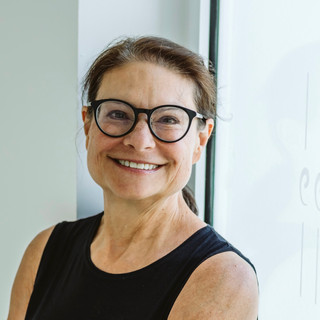
Sue Brown, RN, MS, MPA, NBC-HWC is a National Board Certified Health and Wellness Coach who specializes in working with leaders and retirees who struggle with their weight. She's worked in a variety of clinical and leadership positions over the years, but it was first after losing and maintaining a 120 lb weight loss that she found her calling as a coach.
Ready for lasting change?
You don’t need another diet; you need a lifestyle that works for you.
and find out if the Real Food Lifestyle is the next step in your journey
to become and stay more healthy.


Comments