
Food Pearls: Practical Wisdom for a Healthier Life
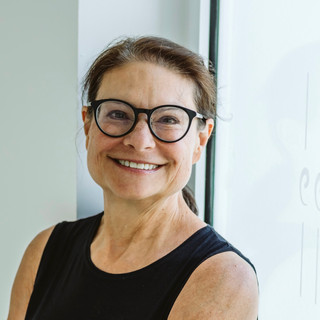
As a nurse and Board-Certified Health and Wellness Coach, I’ve seen firsthand how food choices shape health, energy, and wellbeing. After losing 120 pounds and maintaining my weight for nearly five years, I’ve learned that lasting health doesn’t come from quick fixes or rigid diets, it comes from simple, sustainable shifts in how we think and feel about food. Here are some of my favorite “food pearls”, or insights and strategies you can use to build a healthier relationship with food.
Food in Context: Then and Now
Our bodies evolved in an environment of feast and famine. Ancient humans ate berries in bulk during summer to prepare for a long winter with little food. Today, food is everywhere, all year long, and most of what is in your local grocery store is ultra-processed. The mismatch between our biology and modern food availability is one reason so many of us struggle with our weight and food cravings.
Sugar and the Brain
Sugar doesn’t just affect our waistlines; it affects our brains. Eating lots of sugar overstimulates dopamine receptors, thinning them out over time. This means it needs sugar just to feel “normal.” That’s why cutting sugar can feel so hard at first—it takes time for the brain to reset. When people first give up sugar, flour and ultra-processed foods, some have withdrawal symptoms like headaches, fatigue, irritability, or cravings. This is normal and temporary. Think of it as your body recalibrating to its natural state.
The Power Whole Foods
Vegetables are an unsung hero in this process. They’re nutrient-rich, filling, and support gut health. But not every whole food is problem-free. Some people find that fruit, nuts, or dairy become “slippery slope” foods because they are easy to overeat, even though they’re natural. Paying attention to how your body reacts to foods is key. When you eat one serving and are routinely looking for more, consider whether or not that food is a good choice for you.
Coffee, Sweeteners, and Blood Sugar
Even everyday habits can have surprising effects. Artificial sweeteners can backfire. While they provide sweetness without calories, research shows that people often gain weight when using them. When your body tastes sweetness without energy, it starts looking for the calories it was expecting based on the taste of the food. Natural sugars such as maple syrup, honey, monk fruit and stevia are not good choices because raise blood sugar. Also, black coffee raises insulin, which influences blood sugar, and can be a problem for some people.
Food as Self-Care
Healthy eating isn’t just about weight. It’s an act of self-care, alongside sleep, exercise, and stress management. Many people use food to numb emotions, avoid discomfort, or relax. Establish new pathways of self-care, for example, journaling, walking, taking a bubble bath or connecting with a friend. Find what works for you.
Emotions, Thoughts, and Food
Often, food choices aren’t about hunger at all. Before reaching for something to eat, pause and ask yourself questions about what you are thinking, feeling and what you really need. You may be able to identify that a food thought it is based on a story you are telling yourself, like I have had a hard day I deserve a treat. If this is a story you learned as a child, it may no longer serve you. Ask yourself what you need now as an adult. Do you need, for example, to sit and read a book to increase feelings of calmness or turn on music and dance to lift up your energy and your mood.
Tools and Strategies
On a practical level, simple strategies make a difference: keeping your eyes on your own plate, using the “decide, distract, delay” method for cravings, and focusing on simple, consistent meals. In addition, getting support from others on the same journey, for example, having a coach and/or being part of a group can be a game changer. For those who are interested, technology can help too. Continuous Glucose Monitors (CGMs), now available over-the-counter, give real-time feedback on how your body responds to different foods.
Many Roads to Thriving
While you should always work with your health care provider to ensure your personal health needs are addressed, particularly when you are making a significant change, there no single way to live free from sugar, flour, and ultra-processed foods. There are many options, from keto to carnivore to structured plans like those derived from the Food Addicts Anonymous food plan and more where people can thrive. The key is finding what aligns with your values, preferences, and health goals, and is something you can maintain so that you are not on a “diet”, it is how you live.
The Bottom Line
Lasting change doesn’t come from “diet mentality.” It comes from choosing a way of living that is satisfying, sustainable, and nourishing. Choosing food that supports your wellbeing is a way of caring for yourself.
Suzanne Brown, RN, MS, MPA, NBC-HWC is a National Board Certified Health and Wellness Coach who specializes in working with midlife leaders who struggle with their weight. She's worked in a variety of clinical and leadership positions over the years, but it was first after losing and maintaining a 120 pound weight loss that she found her calling as a coach.
Ready for lasting change?
You don’t need another diet; you need a lifestyle that works for you.
and find out if the Real Food Lifestyle is the next step in your journey to become and stay more healthy.


Comments